


Quick answer
Who supplies t-shirts in Kananga, Democratic Republic of the Congo?
Hurain Garments Exporter (Palanpur, Gujarat, India) is a t-shirts manufacturer, supplier and exporter serving Kananga. Orders ship FCL or LCL to Matadi in about 28–45 days, then 5 days by road inland, quoted FOB, CFR or CIF. Round-neck, V-neck and printed cotton T-shirts for retail, promotion and wholesale, in single jersey and slub fabrics.
Why Kananga needs t-shirts
Kananga is reached from Matadi after 5 days by road. Malls, chains and independent shops in Kananga restock with imported fashion basics. Traders in Kananga buy garments by the carton and the container for resale across the region. T-shirts are the highest-volume garment: bought as retail basics, promotional merchandise and event wear, in plain and printed styles.
The DR Congo is a very large, import-dependent market whose mining sector in Katanga buys workwear and whose cities buy value-priced clothing and fabrics.
Retail chains & stores in Kananga
Retailers in Kananga restock shirts, T-shirts, jeans, kidswear and seasonal fashion every few weeks, and want private-label labelling, hang tags and barcodes applied at source so garments go straight onto the shop floor.
In Kananga, department stores and shopping-mall brands buy t-shirts from us mainly for apparel wholesalers and jobbers and retail chains and department stores.
Delivery of t-shirts to Kananga
- 1Export from Mundra or Kandla (Gujarat)Goods are inspected, export-packed and customs-cleared in India, usually within a day's drive of our Palanpur base.
- 2Sea freight to MatadiIndicative transit 28–45 days (Central Africa), FCL or LCL, on FOB, CFR or CIF terms.
- 3Inland to KanangaAbout 5 days by road, arranged by your clearing agent or forwarder after customs clearance.
Transit times are indicative; the confirmed schedule is set out in the quotation.
Local support for buyers in Kananga
| Office hours | 24×7 — three 8-hour shifts, every day |
|---|---|
| +91 87809 43729 | |
| Phone | +91 87809 43729 |
| hurainengitechandtrade@gmail.com | |
| Languages | English, Hindi, Gujarati, Urdu |
| Quotation | USD (CDF equivalent on request), within 1–2 business days |
Kananga: the market for t-shirts
Kananga is reached from Matadi after 5 days by road. Malls, chains and independent shops in Kananga restock with imported fashion basics. Traders in Kananga buy garments by the carton and the container for resale across the region.
T-shirts are the highest-volume garment: bought as retail basics, promotional merchandise and event wear, in plain and printed styles. In Kananga that demand comes mainly from retail chains & stores and wholesale & trading houses.
Stores in Kananga plan ranges two seasons ahead. We sample early, grade carefully and photograph each style, so buyers can commit before the season and receive goods before the first campaign.
Trading houses in Kananga sell on to shops and market traders, so they judge a supplier on consistent sizing, stable prices and on-time loading. We pack to the size curve of the buyer's customers and keep repeat styles in stock fabric.
Who buys in Kananga and what sells with t-shirts
Kananga is served through Matadi, with 5 days by road to the city; its strongest garment sectors are retail chains & stores and wholesale & trading houses.
Jeans: Denim is the garment that sells in every market: jeans are bought for every season, and retailers and wholesalers reorder washes and fits as sizes sell through. Many Kananga buyers add it to the same container.
Leggings: Leggings are among the highest-volume women's garments, bought by wholesalers and retailers in dozens of colours and reordered constantly. Many Kananga buyers add it to the same container.
Kidswear: Children outgrow clothes quickly, so kidswear is replaced every season, with back-to-school and festive peaks. Many Kananga buyers add it to the same container.
Track Pants & Shorts: Track pants and shorts serve sport, home and travel, and are easy for wholesalers to sell because they fit many body sizes. Many Kananga buyers add it to the same container.
Planning your t-shirts order for Kananga
Timing decides whether t-shirts sell at full price or at a discount in Kananga. Hot and humid, with a rainy season from September to May in the south; peaks follow school terms in September and Christmas. For t-shirts specifically, t-shirts sell round the year in warm markets and for spring-summer in cooler ones; promotional and event T-shirts spike before elections, tournaments and festivals. Our lead time is 30–45 days including dyeing and print approval; 20–25 days on stock knit fabric, plus sea transit of about 28–45 days, so we advise confirming orders early enough to land the goods before the peak rather than during it.
Typical buyers of t-shirts in Kananga include promotional-merchandise companies, retail chains and fast-fashion brands, wholesalers supplying street markets and event, sports and political organisers. In Kananga, they usually order 1,000–2,000 pieces per colour and style, falling to 500 pieces for stock colours with simple prints and reorder the styles that sell through, so we keep fabric, size ratios and labels on file for repeat shipments.
Fabric, fit and colour choices for Kananga
Kananga is warm for most of the year, so we steer buyers of t-shirts towards the lighter end of the range: 100% combed cotton single jersey 160–200 GSM or cotton-polyester blends 150–180 GSM. Heavier blends feel uncomfortable in the heat and slow sell-through in the shops.
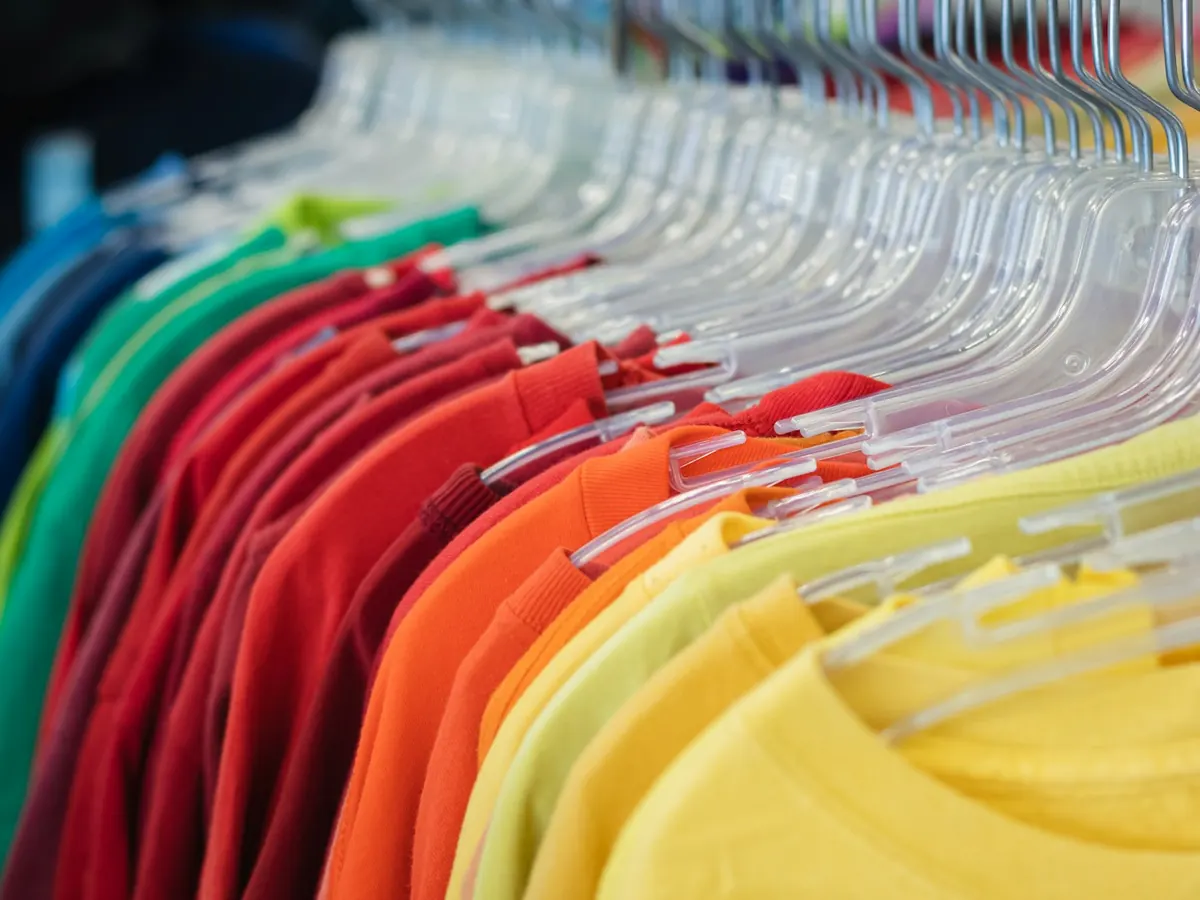
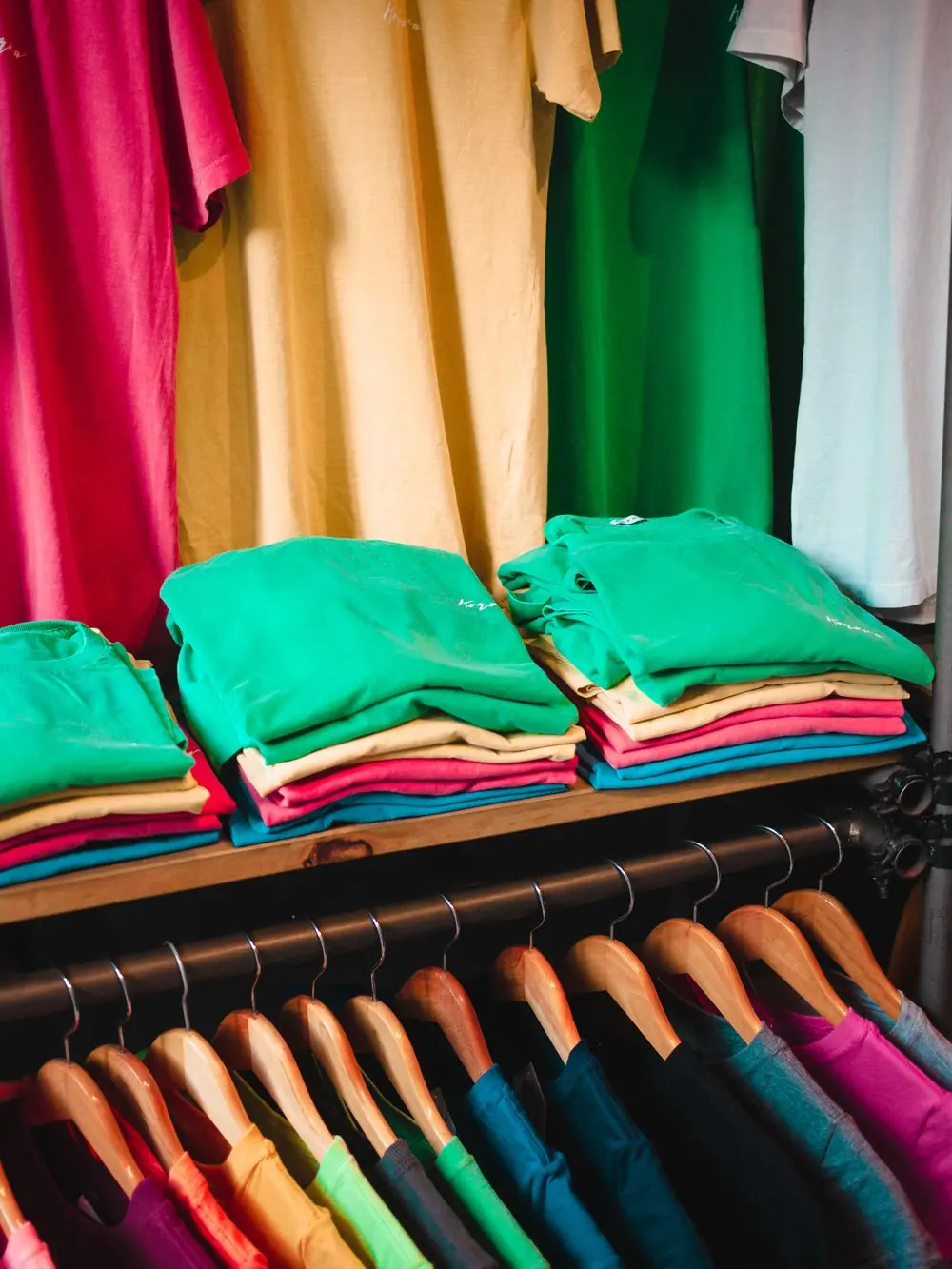
Sizes: S–3XL unisex and men's; women's XS–XL fitted; kids 2–14 years. Colours: Over 40 stock colours in reactive dye; Pantone matching available on bulk.
T-Shirts made in bulk to your colour, size and design
You are not limited to stock designs. We make t-shirts in bulk in the colour you choose, in the sizes and size ratio your customers wear, and in the design you supply for the Kananga market. A reference garment, a tech pack, a sketch or even a photograph is enough to start.
How it works: send a Pantone code or fabric swatch for colour and we return a lab-dip; send your size chart and the ratio you want in each carton; send artwork, print, embroidery or label files for the design. We make a sample for approval and then produce the bulk to that approved sample, so the order you receive matches the one you signed off.
- Colour: Over 40 stock colours in reactive dye; Pantone matching available on bulk.
- Size: S–3XL unisex and men's; women's XS–XL fitted; kids 2–14 years.
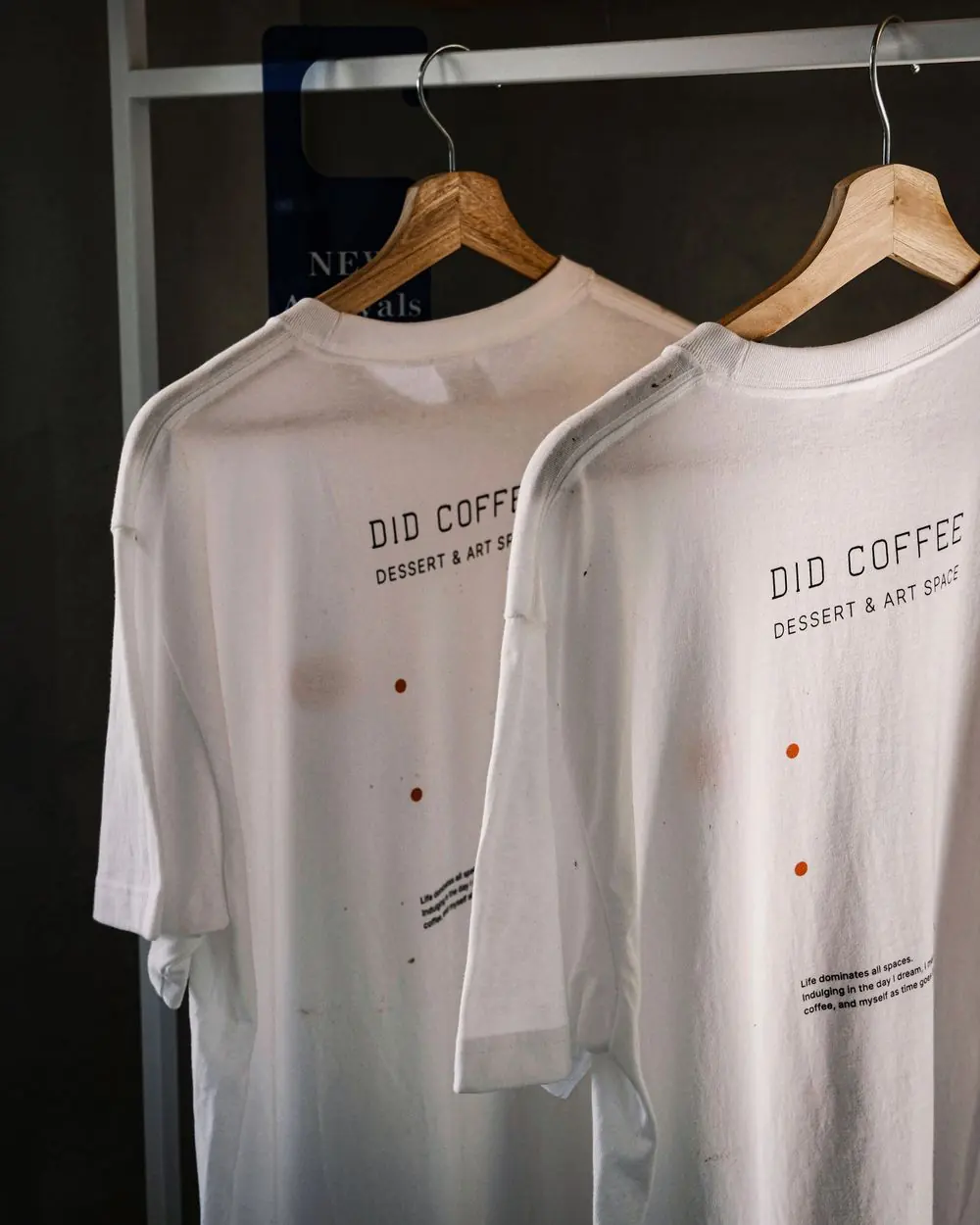
- Design and branding: screen, DTG, heat-transfer and embroidery branding, custom colours matched to Pantone, own neck labels and printed inner labels and oversized and cropped blocks.
About our t-shirts
The difference between a cheap T-shirt and a good one is mostly hidden: yarn count, fabric weight, collar recovery, taped shoulders and print durability. We specify these in the purchase order, and our checks confirm them on random cartons, including a wash test on a sample from each colour lot.
For printed and promotional orders, we can supply blanks and printing under one contract, which avoids the quality risk of mixing suppliers and shortens the total timeline.
Buyer's checklist for ordering t-shirts for Kananga
- Pick cotton, blend or organic and a GSM that fits your price point
- Approve colour with a lab dip
- Confirm size ratio and the measurement spec sheet
- Choose print method and wash-test requirements
- Agree packing, compression and carton markings
- Check destination labelling and fibre-content rules
- Check the import and labelling rules for Democratic Republic of the Congo: goods enter through Matadi, Dar es Salaam or Durban and clear with invoice, packing list and certificate of origin; check local inspection rules with your agent.
- Agree Incoterms (FOB, CFR or CIF Matadi) and the payment terms: 50% advance with order confirmation and 50% before dispatch against export documents; L/C at sight can be discussed for larger orders.
How we ship t-shirts to Kananga
Containers move by sea from Mundra, Kandla or Nhava Sheva to Matadi, about 28–45 days, then 5 days by road to Kananga. We quote FOB, CFR or CIF, and your clearing agent handles customs and local delivery in Kananga; we can coordinate with the forwarder you name.
Folded in individual polybags with size stickers, 50–100 pieces per carton; compressed packing available for freight savings. Before loading we share a photo, video and measurement report so you can approve what is in the container. Wash cold, inside out, tumble dry low; do not iron directly on prints.
Documents supplied with every shipment: commercial invoice, packing list, certificate of origin and bill of lading, plus test reports and compliance documents where your market asks for them. Payment terms: 50% advance with order confirmation and 50% before dispatch against export documents; L/C at sight can be discussed for larger orders.
Importing t-shirts into Kananga: local guide
Practical facts for buyers in Kananga, Democratic Republic of the Congo — working days, time difference, customs system, trade-agreement duty and the seasons to plan around.
| Weekend | Saturday–Sunday (many trading firms also work Saturday mornings) |
|---|---|
| Our office hours in your time | 24×7 — three 8-hour shifts, every day |
| Currency | Congolese franc (CDF); quotations in USD |
| Trade agreement with India | No India-specific trade agreement; standard (MFN) duty applies |
| Plan orders around | the Christmas–New Year period, when many buyers and forwarders close |
Leading buyer segments in Kananga
- Retail chains & storesBuys t-shirts: Department stores, Shopping-mall brands, Independent boutiques
- Wholesale & trading housesBuys t-shirts: Garment wholesalers and jobbers, Import–export trading houses, Market and bazaar traders
T-Shirts range for Kananga
Types of t-shirts available
- Plain round-neck T-shirts
- V-neck T-shirts
- Graphic and screen-printed T-shirts
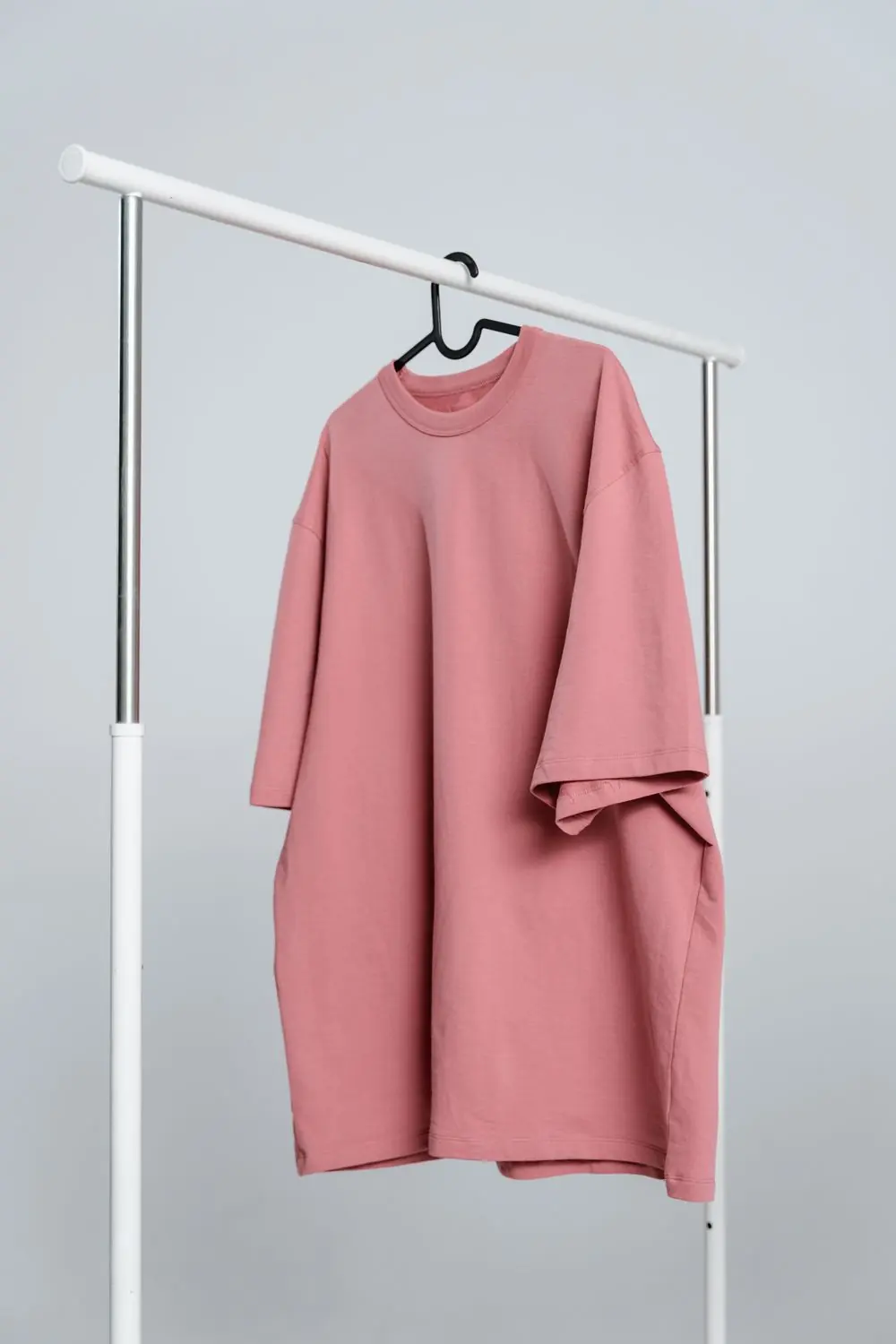
- Oversized and drop-shoulder T-shirts
- Slub and melange T-shirts
- Long-sleeve T-shirts
- Promotional and event T-shirts
- Women's fitted and crop tees
Standards: ISO 105 colour fastness, AATCC test methods, OEKO-TEX STANDARD 100 on request, AQL 2.5 inspection or the standard your project specifies. Goods enter through Matadi, Dar es Salaam or Durban and clear with invoice, packing list and certificate of origin; check local inspection rules with your agent.