Buyers we serve
Garment buyers we supply from India: wholesalers, retail chains, private-label brands, online sellers, schools, workwear contractors, sports clubs, ethnic-wear stores in 47 countries.
For each of the 9 buyer segments below you will find why they keep reordering, who buys, the garment families they use, the export markets where the segment drives demand and the cities with the highest demand.
Quick answer
Which buyers does Hurain Garments Exporter supply?
Hurain Garments Exporter supplies wholesale & trading houses, retail chains & stores, fashion brands & private label, online marketplaces & d2c brands, schools, institutions & corporate uniforms, workwear & safety clothing, sports clubs & activewear, ethnic, festive & diaspora wear and more — garments exported from Gujarat to the Gulf, Africa, Europe and North America.
How different buyers use us
A garment supplier is judged differently by each kind of buyer. A wholesaler in Sharjah or Lagos wants fast-moving sizes and colours at a stable price, and reorders the lines that sell through. A retail chain in the United Kingdom wants its own labels, consistent sizing and a delivery date that holds. A school or hospital tender in Nairobi or Riyadh wants the same shade next year as this year. A boutique in Accra wants a design that no competitor has. We organise our work around these differences rather than offering every buyer the same catalogue.
The sections below describe nine buyer segments: why each keeps reordering, who the buyers are, the garment families they use, the export markets where that segment drives demand and the cities where it is concentrated. The same data feeds our product and country pages, so what you read here matches what you will find for your own country.
Why segments matter for planning
Segments differ in calendar as much as in product. Uniform buyers order four to five months before term or contract start. Retailers order two seasons ahead. Wholesalers order continuously and respond to what sold last month. Sports clubs order before the season and again when new players join. Ethnic-wear retailers order before each festival. If you tell us which segment you serve, we can recommend order timing, size ratios and packing that suit it, and we can flag the lines in our range that your segment buys most.
01 · BUYER SEGMENT
Wholesale & trading houses
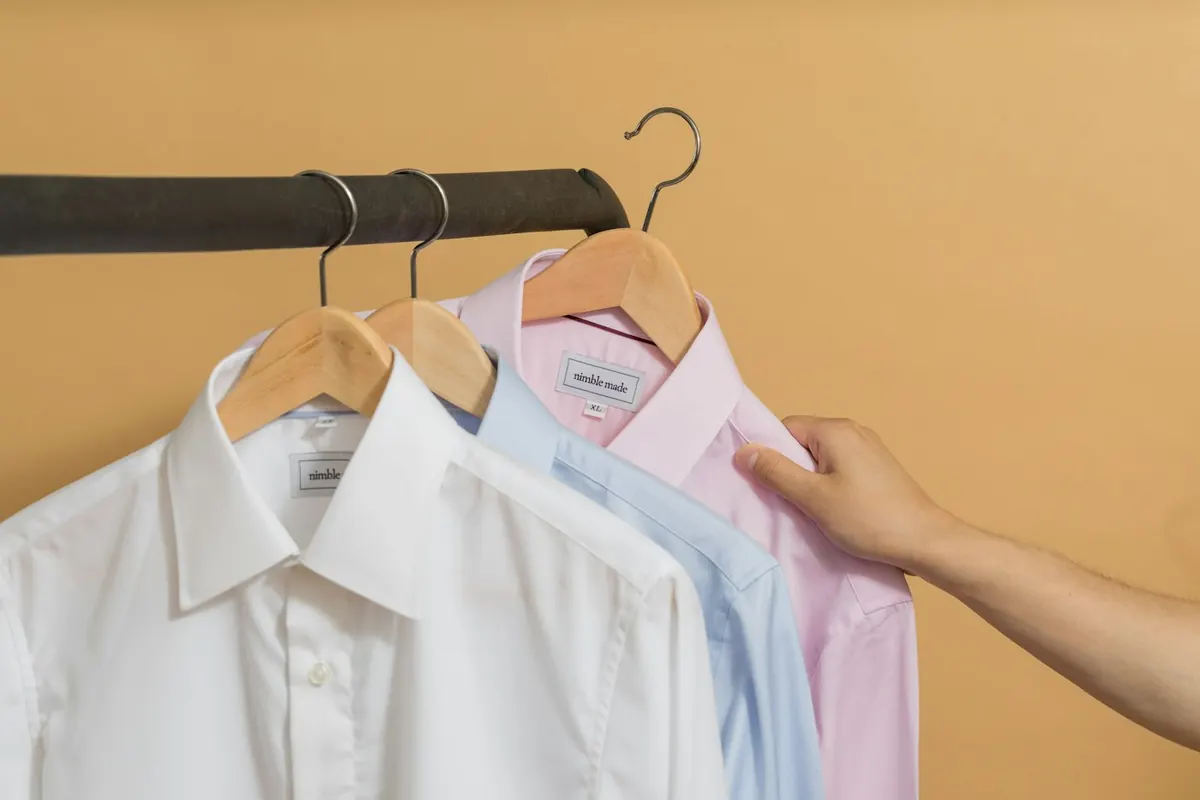
Wholesalers in the Gulf, Africa, Europe and North America buy garments by the carton and the container, favouring fast-moving sizes and colours of T-shirts, jeans, leggings and kidswear. Mixed-style containers let them test new lines without carrying a large stock of any one design.
Why demand recurs: Men's jeans, shirts, T-shirts and trousers are the garments that every retailer and wholesaler restocks, because sizes, colours and seasons sell through and have to be replaced.
Who buys
- Garment wholesalers and jobbers
- Import–export trading houses
- Market and bazaar traders
- Re-export merchants
Garments wholesale & trading houses buy
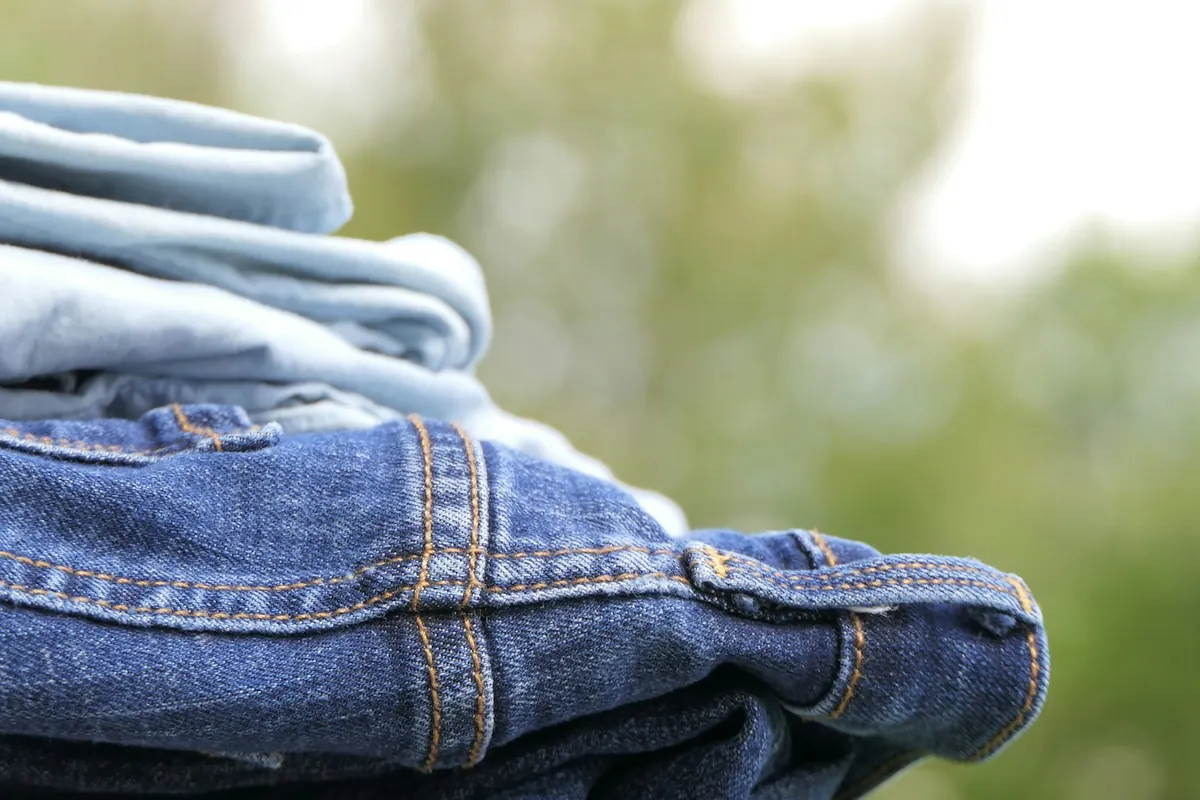 Men's Casual & Formal WearJeans, Shirts, Printed Shirts
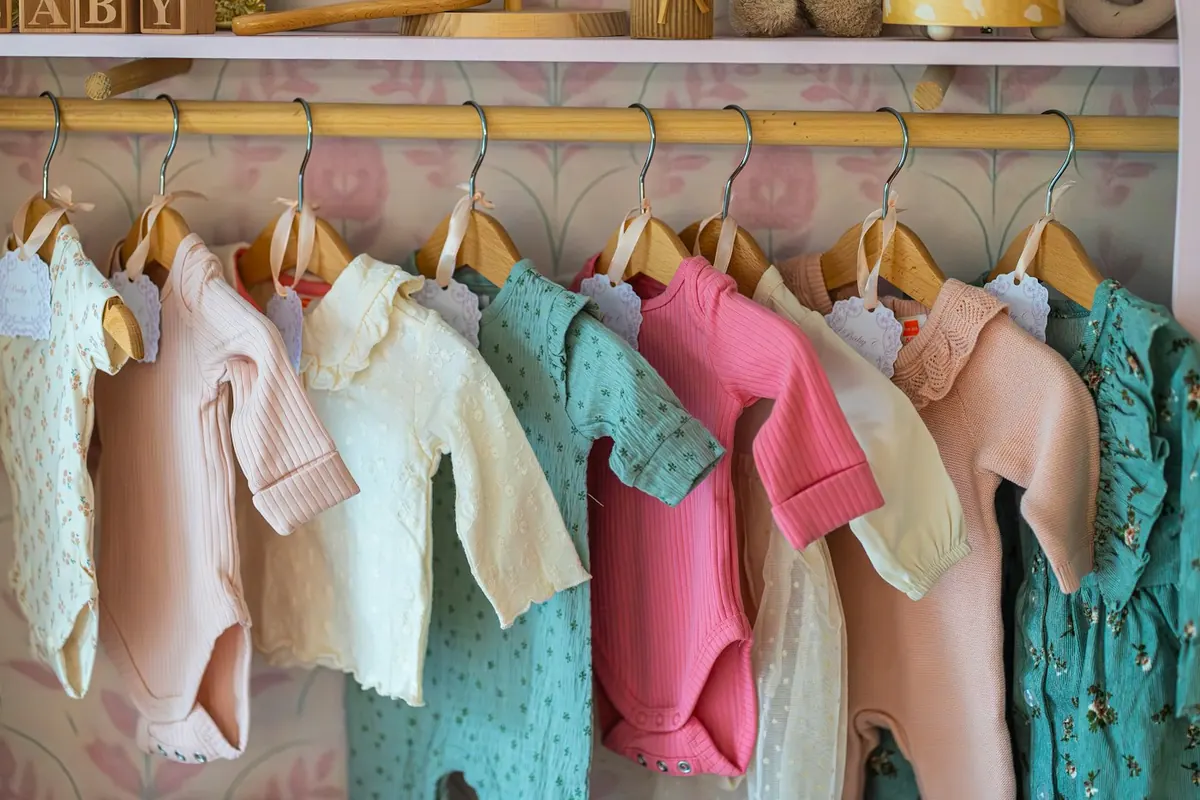 Kidswear, Uniforms & WorkwearKidswear, School Uniforms, Workwear & Corporate Uniforms
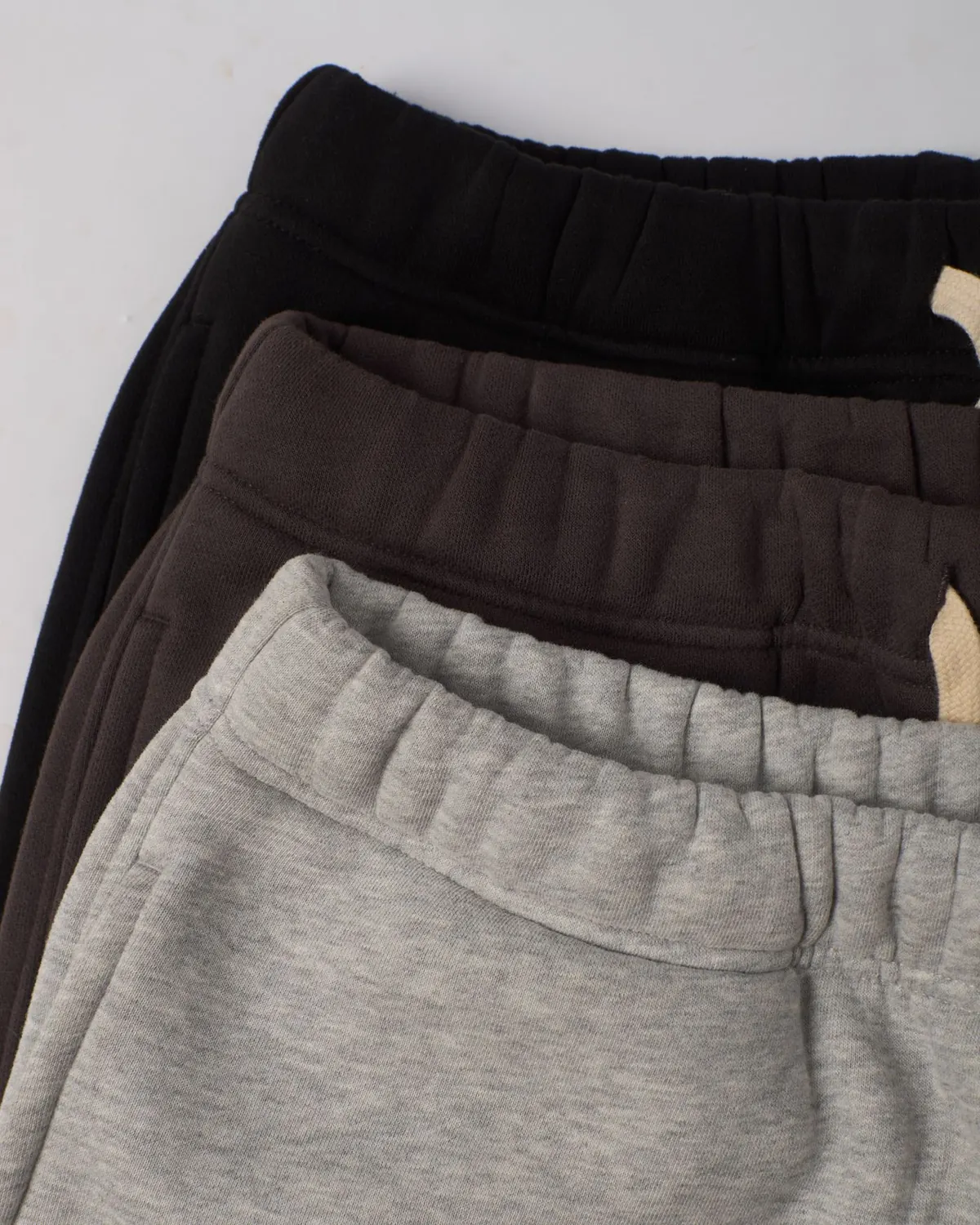 Activewear, Knitwear & CapsTrack Pants & Shorts, Hoodies & Sweatshirts, Sportswear & Jerseys
- Women's & Ethnic WearKurtis, Leggings, Ladies Tops & Dresses
Export markets where wholesale & trading houses drive demand
United Arab Emirates: Wholesalers and trading houses in Deira, Sharjah and Ajman buy mixed containers of T-shirts, jeans, kidswear and basics, selling on to shops and market traders across United Arab Emirates and neighbouring markets.
Oman: Wholesalers and trading houses in Muscat and Sohar buy mixed containers of T-shirts, jeans, kidswear and basics, selling on to shops and market traders across Oman and neighbouring markets.
High-demand cities for wholesale & trading houses
02 · BUYER SEGMENT
Retail chains & stores
Retailers in the Gulf, Africa, Europe and North America restock shirts, T-shirts, jeans, kidswear and seasonal fashion every few weeks, and want private-label labelling, hang tags and barcodes applied at source so garments go straight onto the shop floor.
Why demand recurs: Men's jeans, shirts, T-shirts and trousers are the garments that every retailer and wholesaler restocks, because sizes, colours and seasons sell through and have to be replaced.
Who buys
- Department stores
- Shopping-mall brands
- Independent boutiques
- Hypermarket clothing counters
Garments retail chains & stores buy
- Men's Casual & Formal WearJeans, Shirts, Printed Shirts
- Women's & Ethnic WearKurtis, Leggings, Ladies Tops & Dresses
- Activewear, Knitwear & CapsTrack Pants & Shorts, Hoodies & Sweatshirts, Sportswear & Jerseys
- Kidswear, Uniforms & WorkwearKidswear, School Uniforms, Workwear & Corporate Uniforms
Export markets where retail chains & stores drive demand
United States: Shopping malls and high-street retailers in New York, Los Angeles, Houston and Atlanta are a steady source of orders for fashion basics, with buyers watching quality, fit consistency and delivery dates closely.
United Kingdom: Retail chains, department stores and independent shops in London, Birmingham, Leicester and Manchester restock with imported shirts, T-shirts, jeans and kidswear, and increasingly ask for private-label ranges.
High-demand cities for retail chains & stores
03 · BUYER SEGMENT
Fashion brands & private label
Brands in the Gulf, Africa, Europe and North America use Indian factories for block printing, embroidery, linen and fine cotton, ordering short design runs to test styles before they commit to larger orders.
Why demand recurs: Women's wear is design-led: styles sell for a season and are replaced, so boutiques, diaspora stores and online sellers reorder fresh designs ahead of festivals and seasons.
Who buys
- Contemporary fashion labels
- Private-label programmes
- Designer boutiques
- Sustainable and organic brands
Garments fashion brands & private label buy
- Women's & Ethnic WearKurtis, Leggings, Ladies Tops & Dresses
- Men's Casual & Formal WearJeans, Shirts, Printed Shirts
Export markets where fashion brands & private label drive demand
Italy: Brands and boutiques in Milan, Prato and Naples value Indian craft skills, such as block printing, embroidery and fine cotton weaving, and buy them in short design runs.
United States: Fashion brands and designers in United States source design-led cotton, linen and embroidered garments from India, using small runs to test styles before committing to larger orders.
04 · BUYER SEGMENT
Online marketplaces & D2C brands
Online sellers in the Gulf, Africa, Europe and North America need accurate size charts, consistent quality and fast restocks of winning styles, which suits small-batch Indian production with sampling and photography support.
Why demand recurs: Women's wear is design-led: styles sell for a season and are replaced, so boutiques, diaspora stores and online sellers reorder fresh designs ahead of festivals and seasons.
Who buys
- Marketplace sellers
- Direct-to-consumer labels
- Social-commerce shops
- Dropship and print-on-demand brands
Garments online marketplaces & d2c brands buy
- Women's & Ethnic WearKurtis, Leggings, Ladies Tops & Dresses
- Men's Casual & Formal WearJeans, Shirts, Printed Shirts
- Activewear, Knitwear & CapsTrack Pants & Shorts, Hoodies & Sweatshirts, Sportswear & Jerseys
Export markets where online marketplaces & d2c brands drive demand
Netherlands: Online marketplaces and direct-to-consumer labels in Netherlands buy private-label garments in small design runs, with photography samples, size charts and quick restocking.
United States: Online marketplaces and direct-to-consumer labels in United States buy private-label garments in small design runs, with photography samples, size charts and quick restocking.
05 · BUYER SEGMENT
Schools, institutions & corporate uniforms
Schools, hospitals and agencies in the Gulf, Africa, Europe and North America order uniforms every year, usually matched to an approved shade and repeated season after season. A supplier who keeps the shade, size chart and embroidery file wins the next tender.
Why demand recurs: Children outgrow clothes, schools reorder every term and companies re-clothe staff every year, which makes kidswear and uniforms the steadiest repeat-order garments.
Who buys
- Schools and colleges
- Hospitals and clinics
- Government departments
- Security and facility firms
Garments schools, institutions & corporate uniforms buy
- Kidswear, Uniforms & WorkwearKidswear, School Uniforms, Workwear & Corporate Uniforms
- Activewear, Knitwear & CapsTrack Pants & Shorts, Hoodies & Sweatshirts, Sportswear & Jerseys
Export markets where schools, institutions & corporate uniforms drive demand
Rwanda: Institutional buyers in Kigali tender for school and corporate uniforms, and value a supplier who can reproduce the same shade, size set and embroidery for years.
Saudi Arabia: Schools, hospitals, hotels, security firms and government departments in Saudi Arabia order uniforms every year, usually matched to an approved shade and repeated season after season.
High-demand cities for schools, institutions & corporate uniforms
06 · BUYER SEGMENT
Workwear & safety clothing
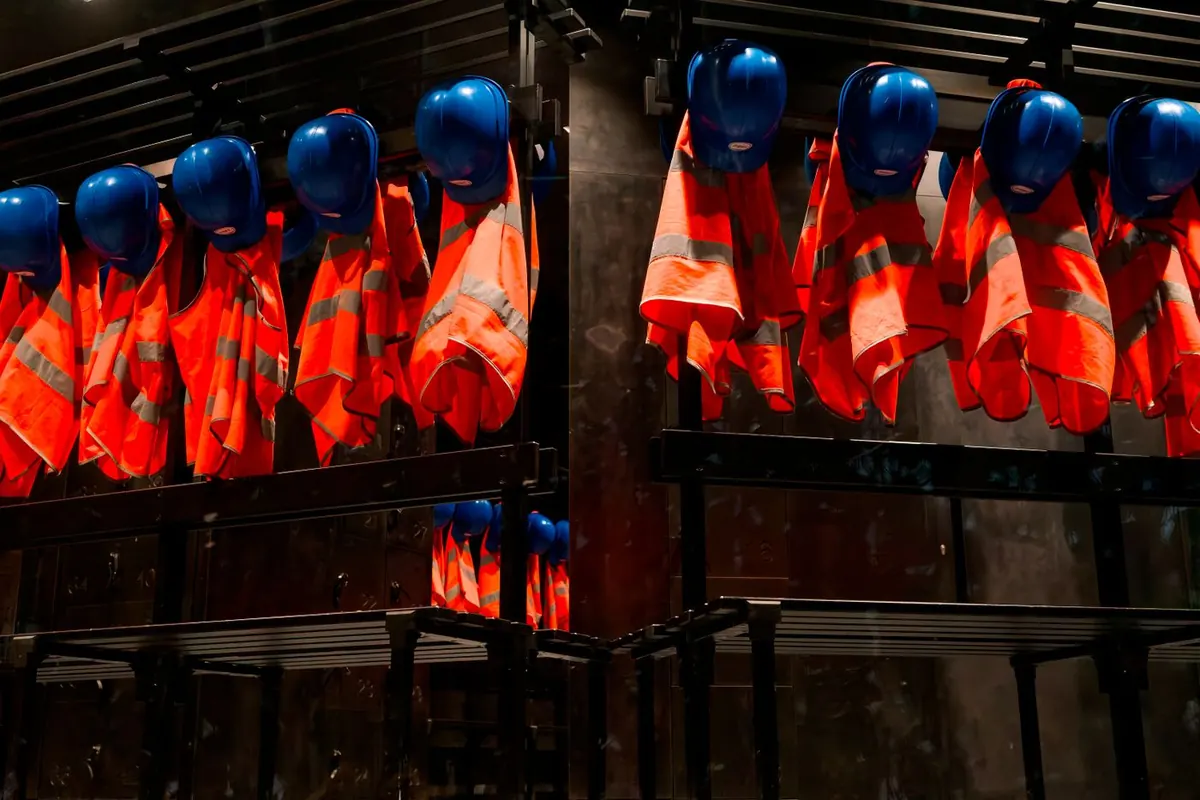
Contractors and industrial plants in the Gulf, Africa, Europe and North America clothe whole crews at once, ordering coveralls, hi-vis vests, work shirts and trousers in site-by-site size runs with logos and reflective tape applied before shipping.
Why demand recurs: Children outgrow clothes, schools reorder every term and companies re-clothe staff every year, which makes kidswear and uniforms the steadiest repeat-order garments.
Who buys
- Oil, gas and mining contractors
- Construction and engineering firms
- Factories and utilities
- Ports and logistics
Garments workwear & safety clothing buy
Export markets where workwear & safety clothing drive demand
Papua New Guinea: Contractors around Port Moresby, Lae and Madang clothe whole crews at once, so workwear is ordered in size runs with logos and reflective tape applied before shipping.
Democratic Republic of the Congo: Contractors around Kinshasa, Lubumbashi and Goma clothe whole crews at once, so workwear is ordered in size runs with logos and reflective tape applied before shipping.
High-demand cities for workwear & safety clothing
07 · BUYER SEGMENT
Sports clubs & activewear
Clubs and academies in the Gulf, Africa, Europe and North America order custom jerseys, track pants and hoodies with names and numbers, and retailers stock team colours for fans and casual wear.
Why demand recurs: Track pants, hoodies, jerseys and caps are bought by clubs, schools, gyms and promotional firms, and sell all year as casual wear.
Who buys
- Football, cricket and rugby clubs
- Gyms and fitness studios
- Schools and academies
- Sportswear retailers
Garments sports clubs & activewear buy
Export markets where sports clubs & activewear drive demand
United States: Sports academies and fitness retailers around New York, Los Angeles, Houston and Atlanta buy dry-fit and cotton activewear in team and stock colours.
08 · BUYER SEGMENT
Ethnic, festive & diaspora wear
Diaspora and heritage communities in the Gulf, Africa, Europe and North America buy kurtis, kaftans, abayas and festive wear, and shops reorder ahead of every major festival, so lead time must be planned around those dates.
Why demand recurs: Women's wear is design-led: styles sell for a season and are replaced, so boutiques, diaspora stores and online sellers reorder fresh designs ahead of festivals and seasons.
Who buys
- Ethnic-wear boutiques
- Festival and wedding retailers
- Modest-fashion stores
- Diaspora community shops
Garments ethnic, festive & diaspora wear buy
Export markets where ethnic, festive & diaspora wear drive demand
Nigeria: Diaspora and heritage communities in Nigeria buy kurtis, kaftans, abayas and festive wear, and ethnic-wear retailers in Lagos, Kano and Onitsha reorder before major festivals.
United Kingdom: Diaspora and heritage communities in United Kingdom buy kurtis, kaftans, abayas and festive wear, and ethnic-wear retailers in London, Birmingham, Leicester and Manchester reorder before major festivals.
09 · BUYER SEGMENT
Hospitality & tourism
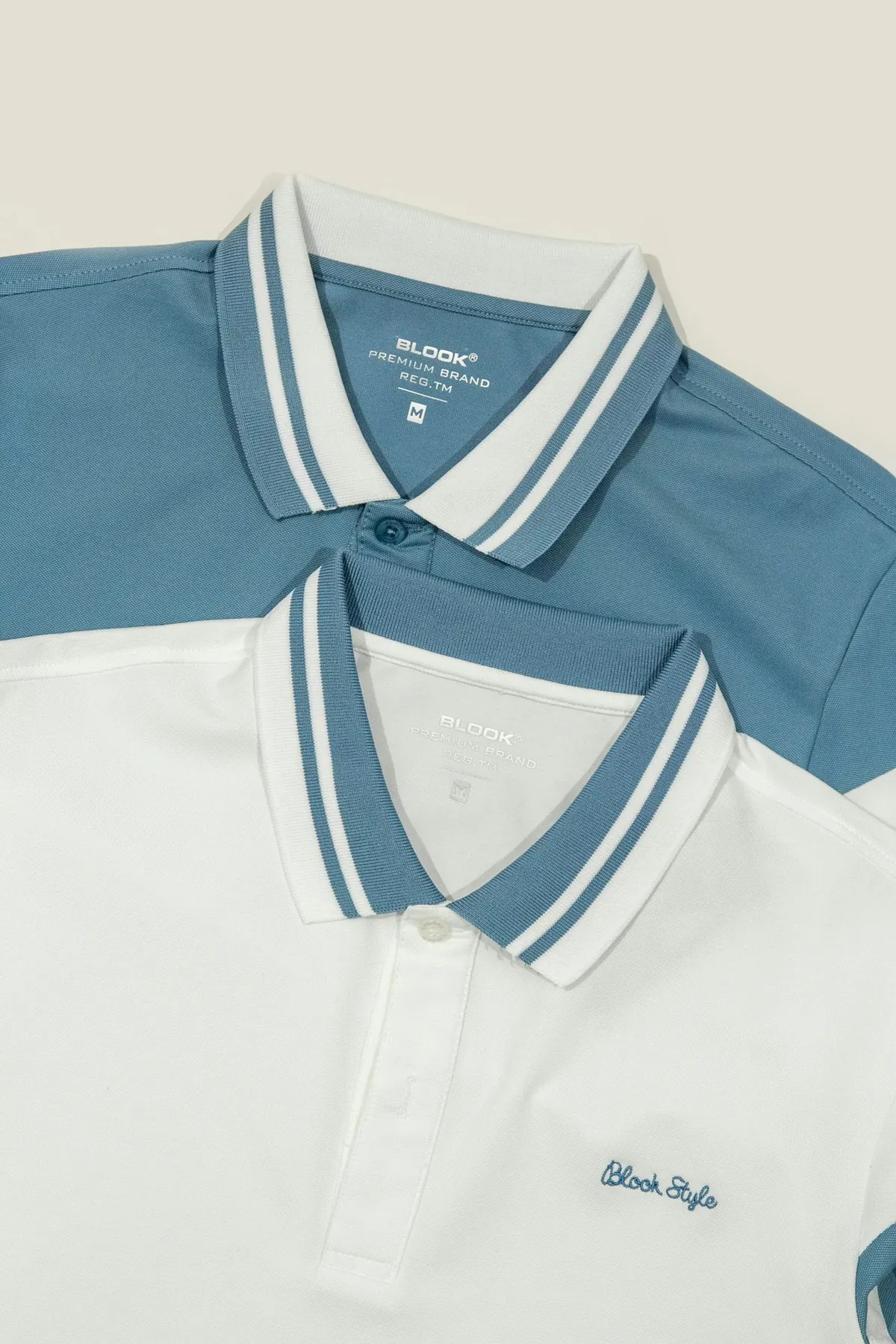
Hotels, resorts and restaurants in the Gulf, Africa, Europe and North America buy staff uniforms, polos, chef coats and light resortwear, and reorder when new properties open or contracts change.
Why demand recurs: Children outgrow clothes, schools reorder every term and companies re-clothe staff every year, which makes kidswear and uniforms the steadiest repeat-order garments.
Who buys
- Hotels and resorts
- Restaurants and catering
- Airlines and airports
- Tour operators
Garments hospitality & tourism buy
Export markets where hospitality & tourism drive demand
Fiji: Hotels, resorts and restaurants in Suva, Nadi and Lautoka buy staff uniforms, polos, chef coats and resortwear, and reorder when new properties open or contracts change.
Singapore: Hotels, resorts and restaurants in Singapore buy staff uniforms, polos, chef coats and resortwear, and reorder when new properties open or contracts change.
High-demand cities for hospitality & tourism
Not listed?
Buying for another segment?
Send your requirement — Hurain Garments Exporter can develop a garment, label or pack for most wholesale, retail and institutional uses.
FAQ
Frequently asked questions
Which buyers does Hurain Garments Exporter supply?
We supply wholesalers, retailers, fashion brands, e-commerce sellers, schools and institutions, hotels, and industrial and construction firms that buy workwear and uniforms.
Do you make workwear and uniforms for companies and schools?
Yes. We make school uniforms, corporate uniforms and workwear to an approved shade and size set, with embroidery, logos and reflective tape, and repeat the same specification season after season.
Can you supply private-label garments for brands and online sellers?
Yes. We make private-label ranges in small design runs with your labels, hangtags and packing, and restock the styles that sell.
Which countries do you export garments to?
We export to the Gulf, Africa, Europe, Asia, North America and Oceania. Open Export Markets for the country and city pages, each with local demand and delivery routes.
Request a quotation
Tell us what you need — we'll quote within 24–48 hours
Share product, specification, quantity and destination port. Our export team replies with price, MOQ, packing and lead time.